
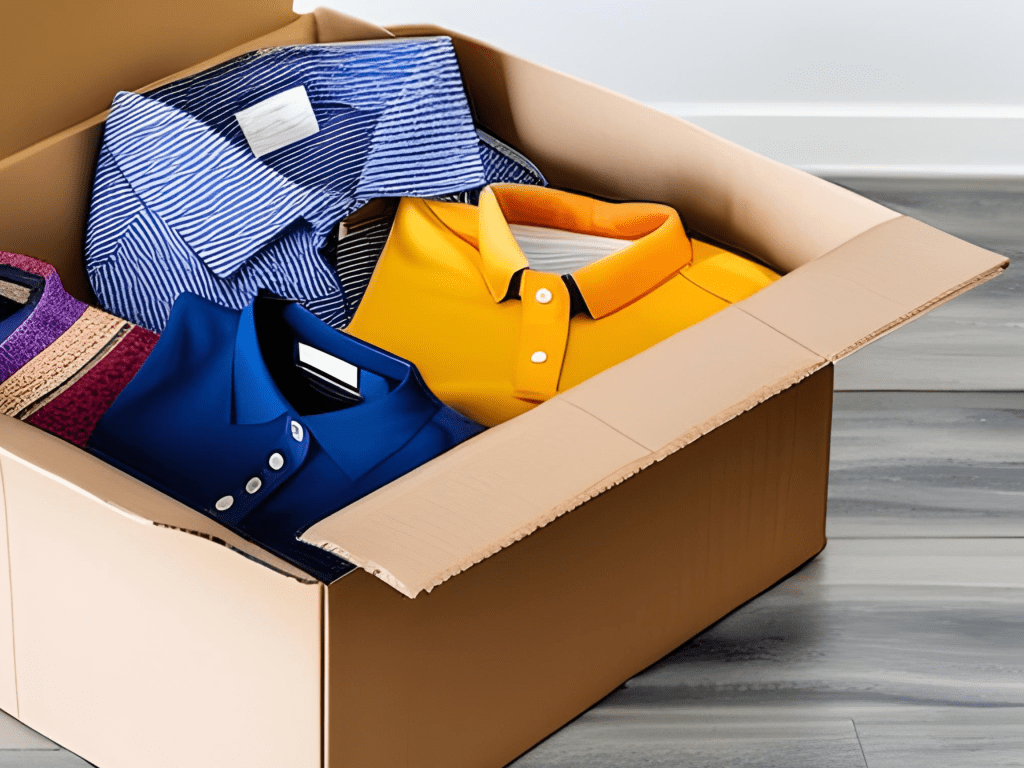
As we continue with this New Yorker article series, let’s talk about some of the companies and initiatives mentioned. You’ve probably heard of a few of these policies and maybe dealt with some of them yourself.
Case Studies
Warby Parker: Offers a service where you can order 5 different frames online to try on, return the ones you don’t like
LL Bean: In the mail-in order days, they asked customers to include a tracing of their foot with their order form. This reduced returns but was also an inconvenience to customers. If we’ve learned anything over the years, it’s that customers want easy and fast.
Petco: Takes back dead fish. Enough said.
Home Depot/Lowes: You can return plants for up to a year after purchasing them. But to do that, you have to be willing to deal with the shame of coming back with your dead plant.
Mattress Companies: Most do free returns for up to a year. Here’s where it gets interesting. Used mattresses can’t be resold. So, the companies factor that loss into the prices; this ends up being an extra 8-9%.
Amazon: Prime members have access to the “Try Before You Buy” program, where customers can order something and only pay for what they keep. They’ve also added a “Frequently Returned” label
Target: Adding drive-up refund windows throughout their stores.
Return (& Subsequent Refund) Examples
Some items peak returns after holidays. Ex: TVs after the Super Bowl, Easter grass after spring, and artificial trees after Christmas.
According to Dale Rogers, a professor at Arizona State, winter holiday returns are up to $300 billion a year. This number is bigger than the GDPs of many countries.
Other Random Circumstances
Generators are often returned immediately following natural disasters, as are flashlights and batteries. Tents are returned after camping trips, oftentimes clearly used.
Remorse Returns
Have you ever online shopped after a night out, and then been surprised a few days later when something came in the mail? If you send that back, you’re doing a remorse return.
Improper Use
This happens a lot with appliances. Ex: Pressure washers are frequently returned because people just don’t read the instructions. They start it and burn up the motor, then return it as “defective”. The most cost-effective solution to this is adding a warning label or sticker, but it won’t stop the oblivious from making this mistake.
Catching On
Sure enough, companies are singling out people who frequently return things. For example, Audible makes some people call to initiate book returns because they’ve made so many returns in the past.
So, you can see that every company takes a different approach to refunds. The general consensus: let’s make refunds easier. There’s still lots of work to be done though!
Yours truly,
The Instant Refund Expert™
Follow me on X @instantrefunds
 The Refunds Blog